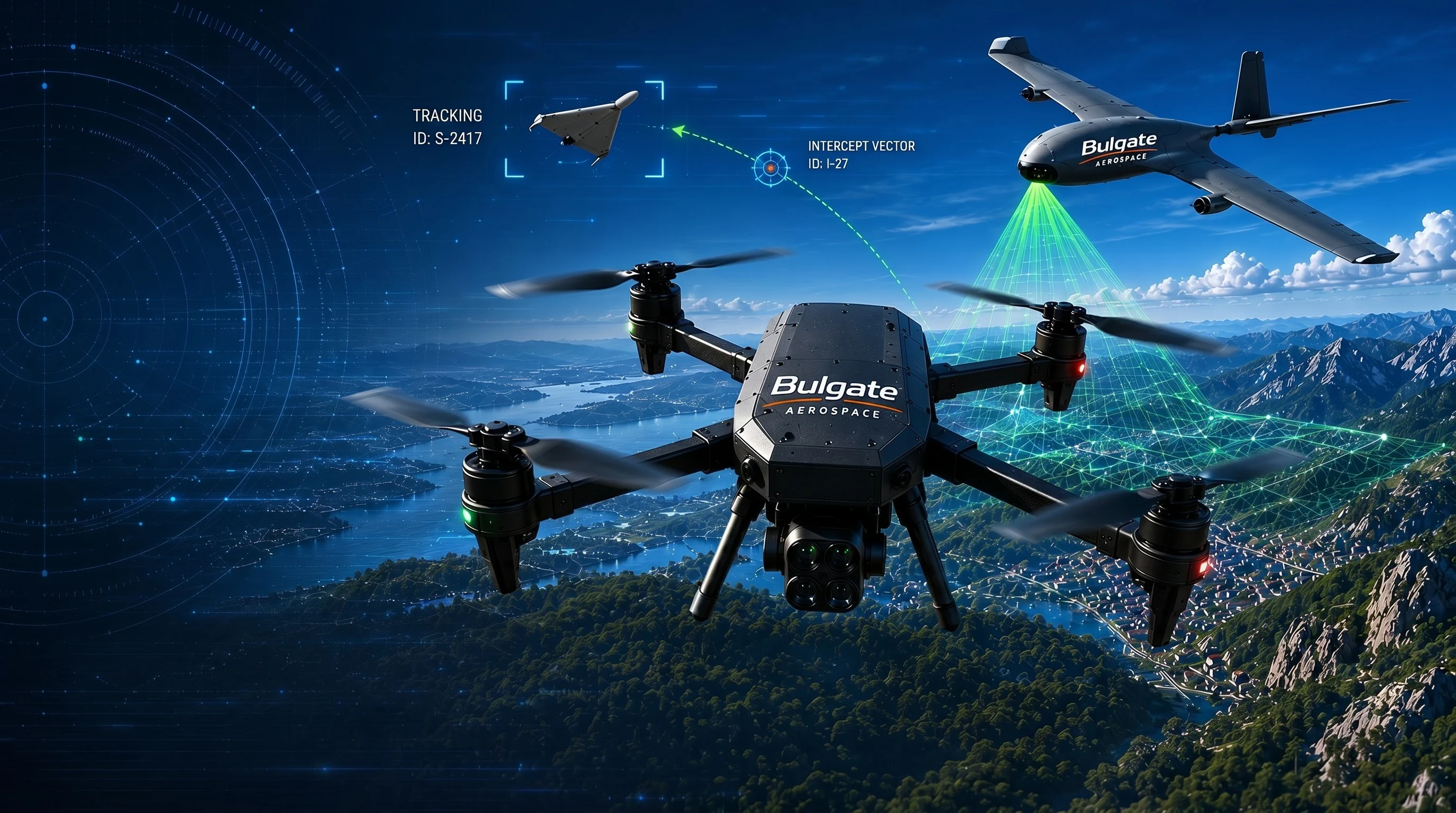
Bulgate autonomous aerospace systems platform visualization

AEROSPACE AUTONOMOUS SYSTEMS

AEROSPACE PLATFORM EMBEDDED ELECTRONICS MISSION SOFTWARE

Engineering a common aerospace hardware and software foundation for autonomous aircraft, mission-specific integrations and future aerospace systems.

CORE PLATFORM

A common foundation for autonomous aerospace systems.

Bulgate develops a common aerospace hardware and software platform that brings together avionics, embedded electronics, mission software, communications and payload integration into a reusable foundation for multiple aircraft, missions and third-party extensions.

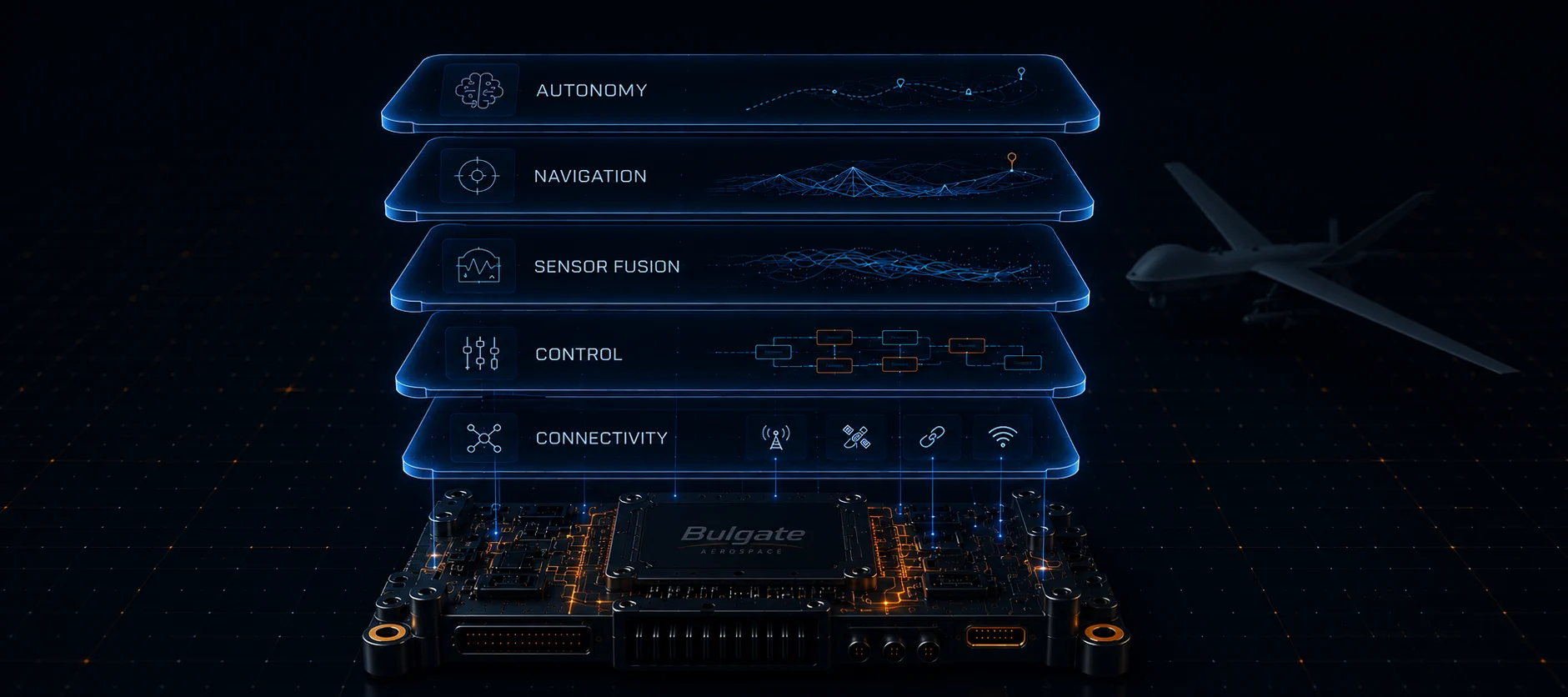
Platform Software Layer

Mission behavior, navigation logic, sensor fusion and execution software are developed as platform capabilities. The goal is to make each aircraft an integrated system with reusable autonomy and mission-control foundations.

Mission software and autonomy layer diagram

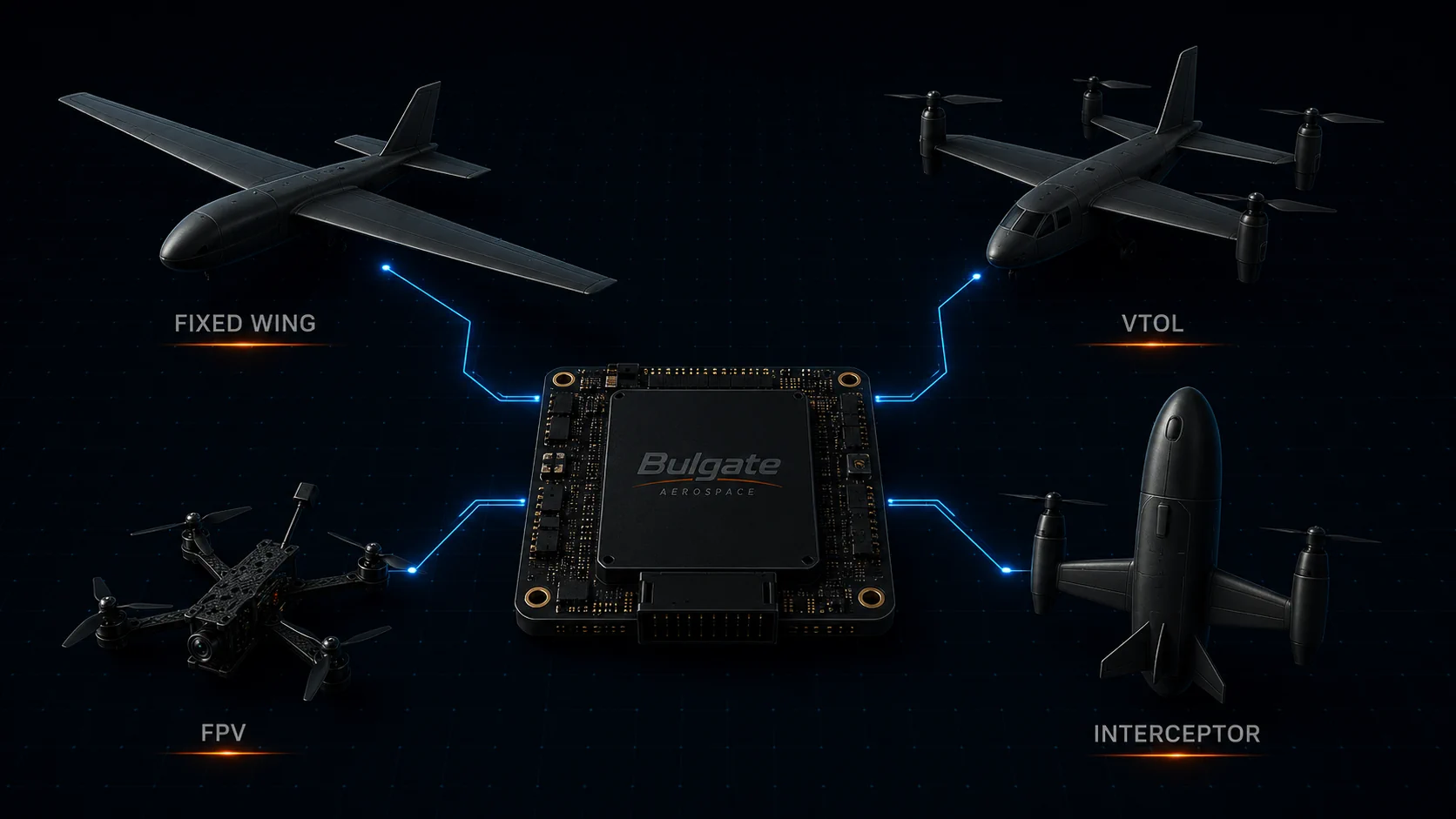
Aircraft Integration Layer

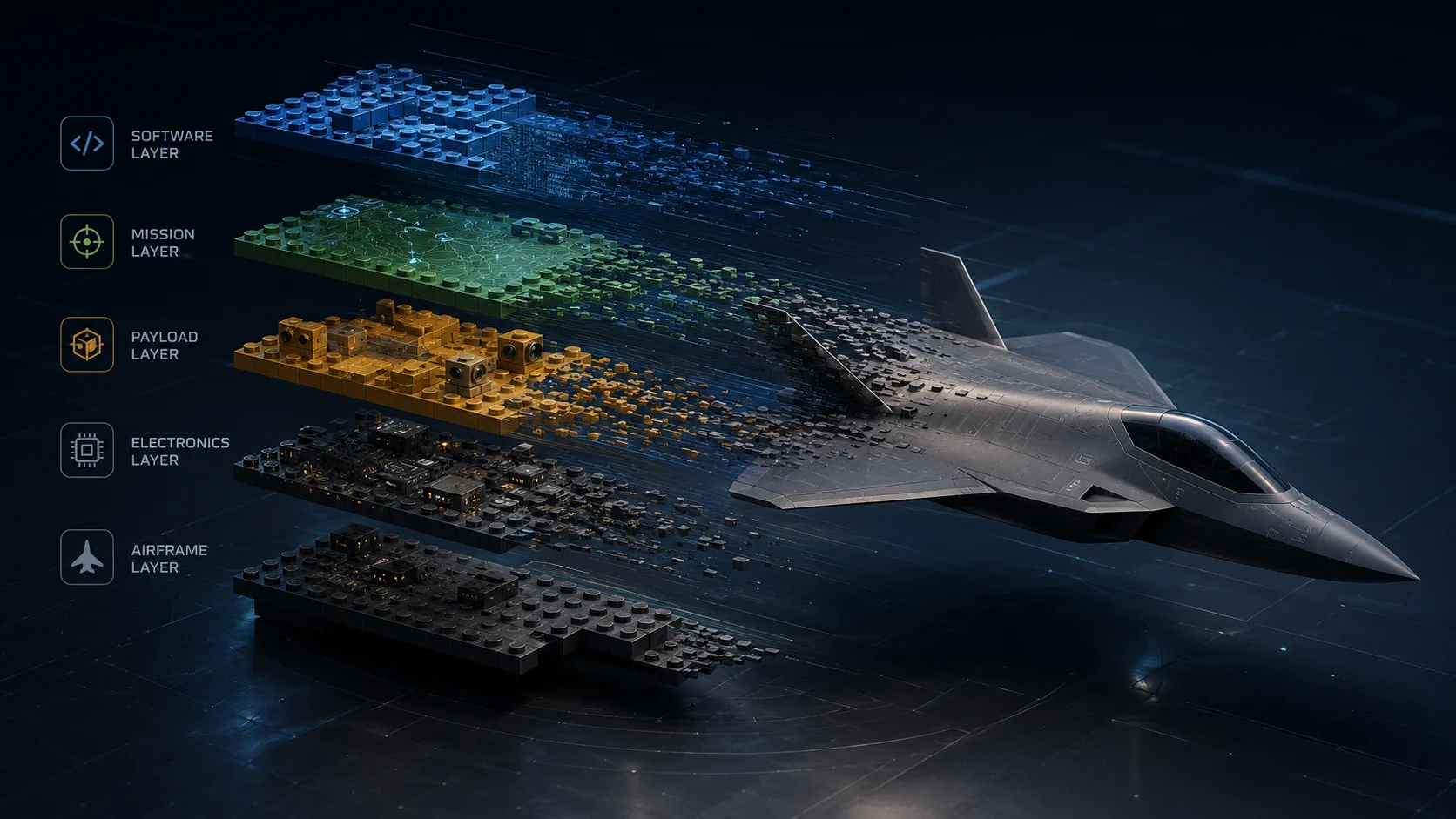
Fixed-wing, rotary-wing, interceptor and FPV airframes become extensions of the same engineering base. Airframe geometry, propulsion, payload mounting and maintainability are integrated around the common hardware and software architecture.

Aircraft integration layer diagram

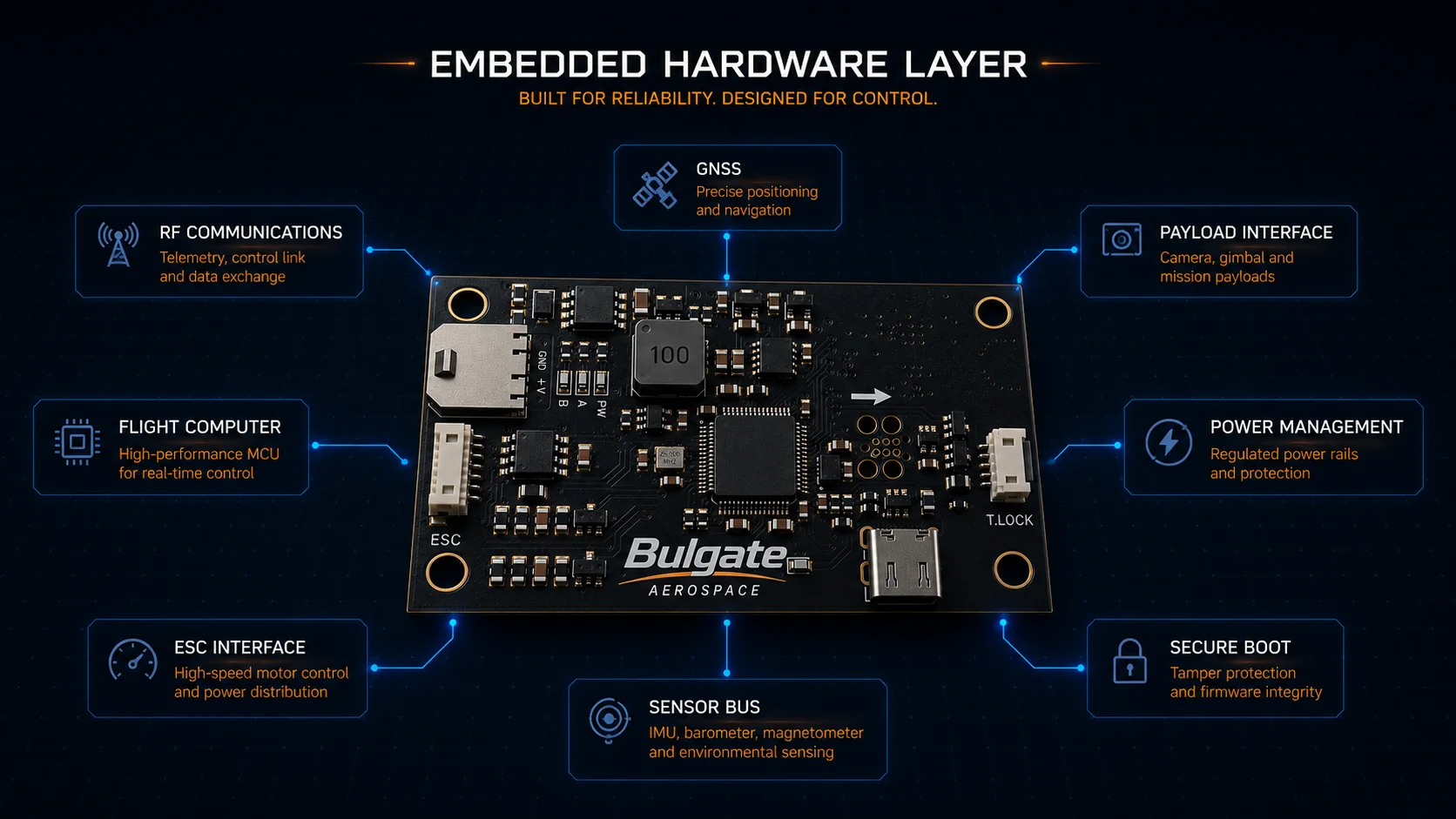
Embedded Hardware Layer

Critical onboard systems are engineered from the electronics layer upward: avionics, flight-control electronics, ESCs, sensor interfaces, payload interfaces and embedded firmware. This gives the platform direct control over core aircraft behavior.

PCB and embedded hardware layer diagram

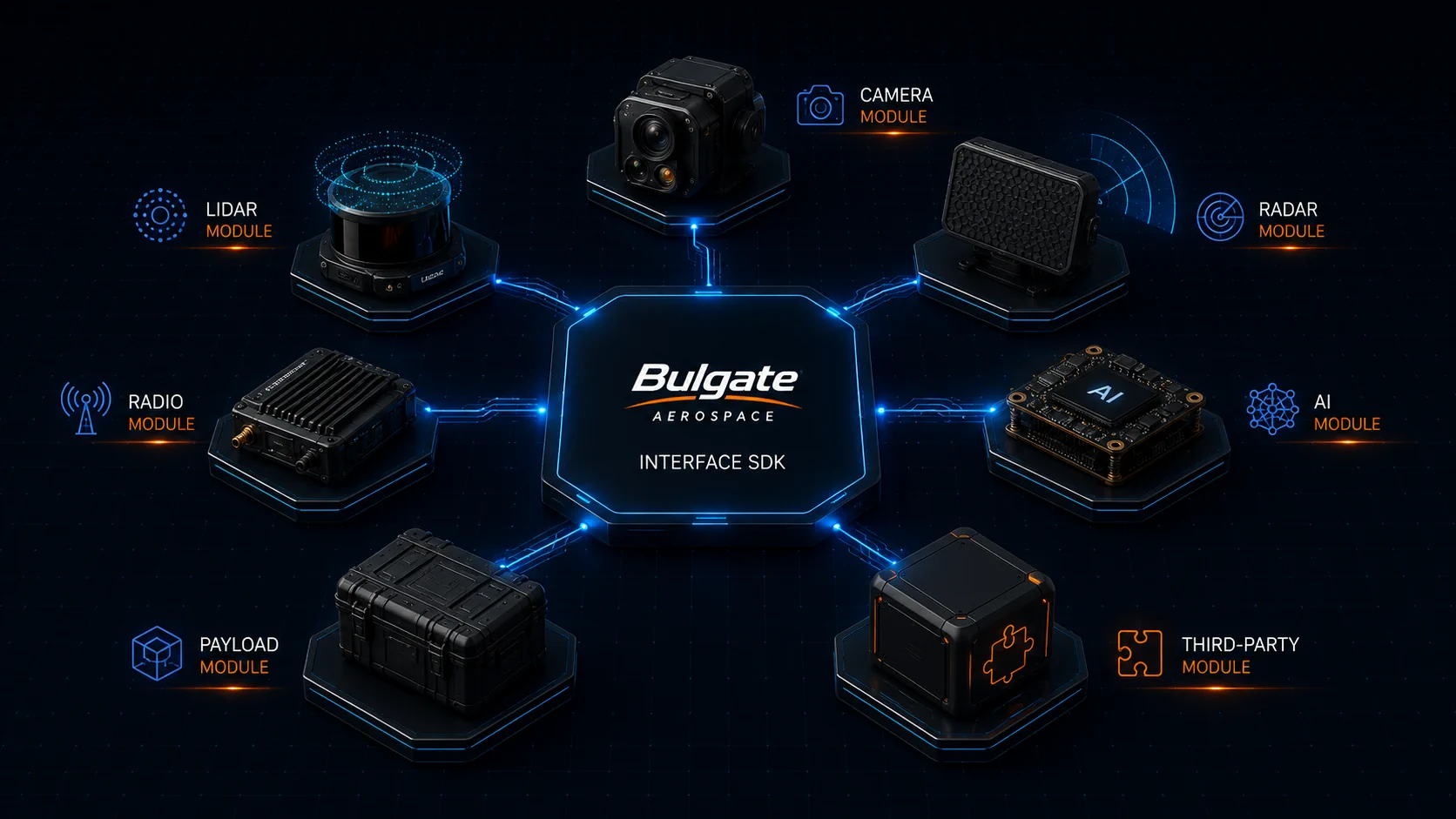
Reference Designs & Standard Interfaces

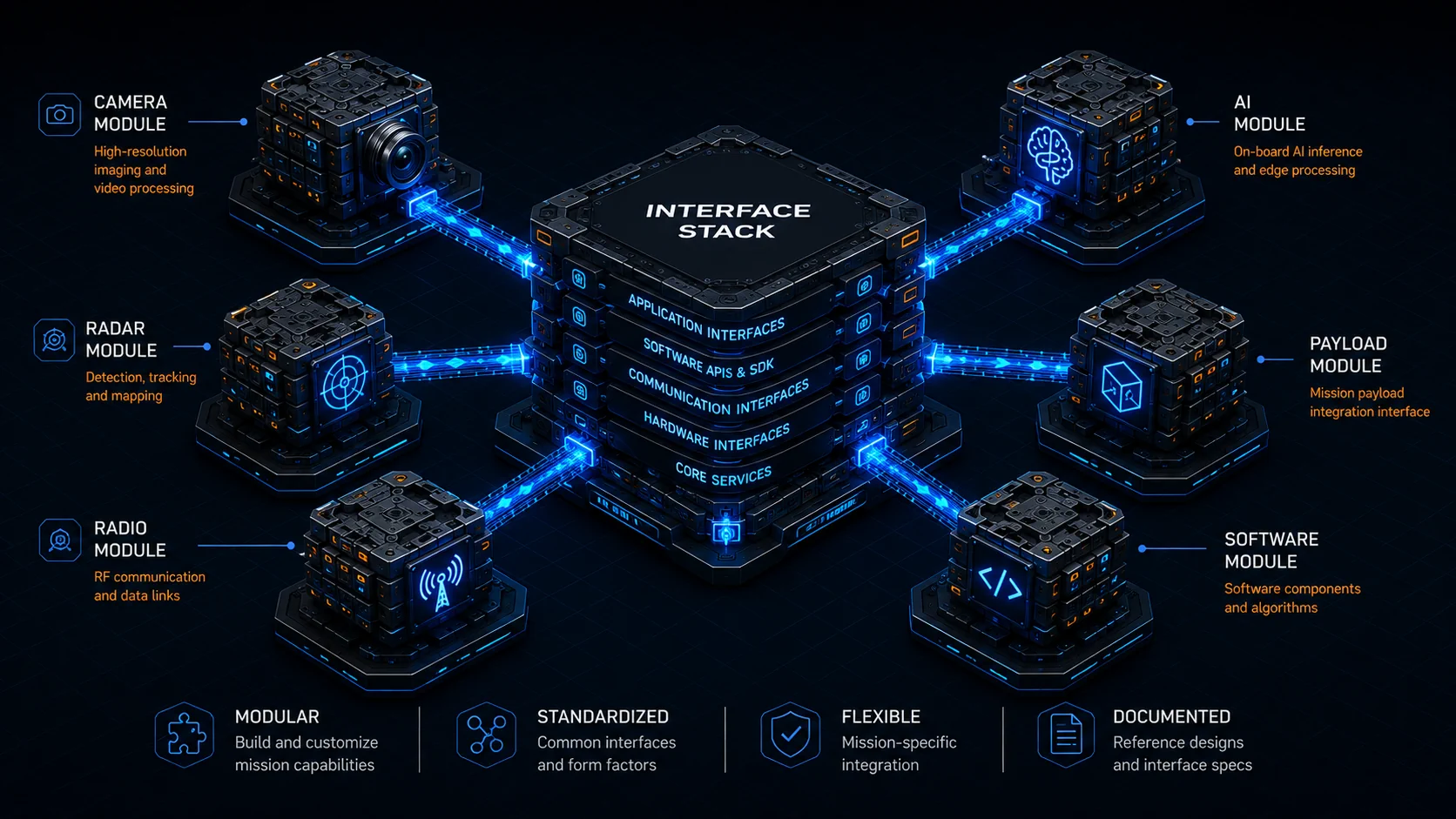
The platform is designed to support third-party mission modules, payload electronics and compatible hardware and software components through standardized mechanical, electrical and software interfaces, enabling a growing ecosystem of reusable technologies.

Interface and module SDK layer diagram

Communications & Payload Interfaces

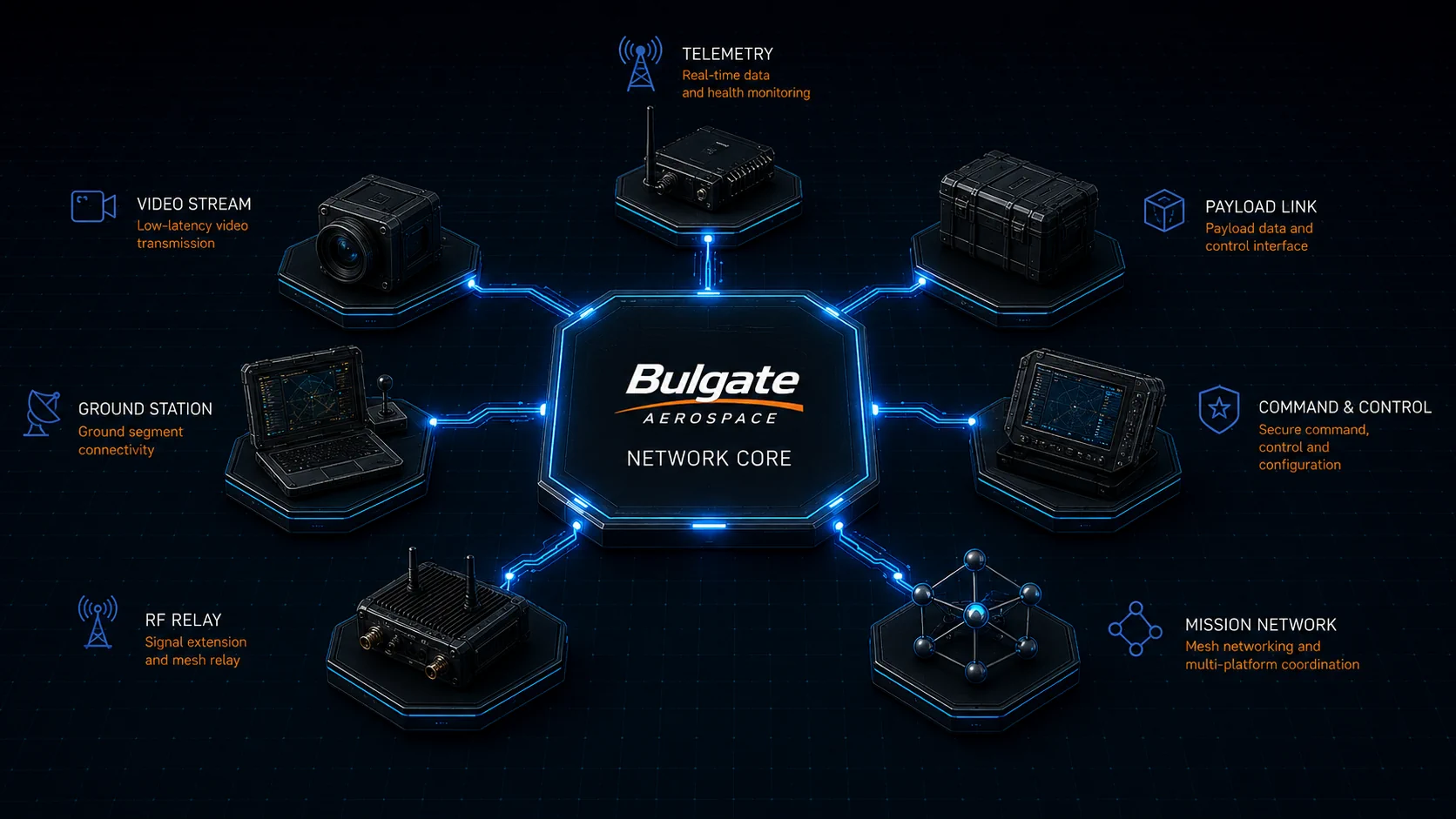
The platform includes telemetry, command-and-control, payload connectivity and mission networking architectures. These interfaces allow mission-specific sensors, payloads and communications links to be integrated without redesigning the entire aircraft.

Communications architecture network core diagram

Systems Engineering & Future Architectures

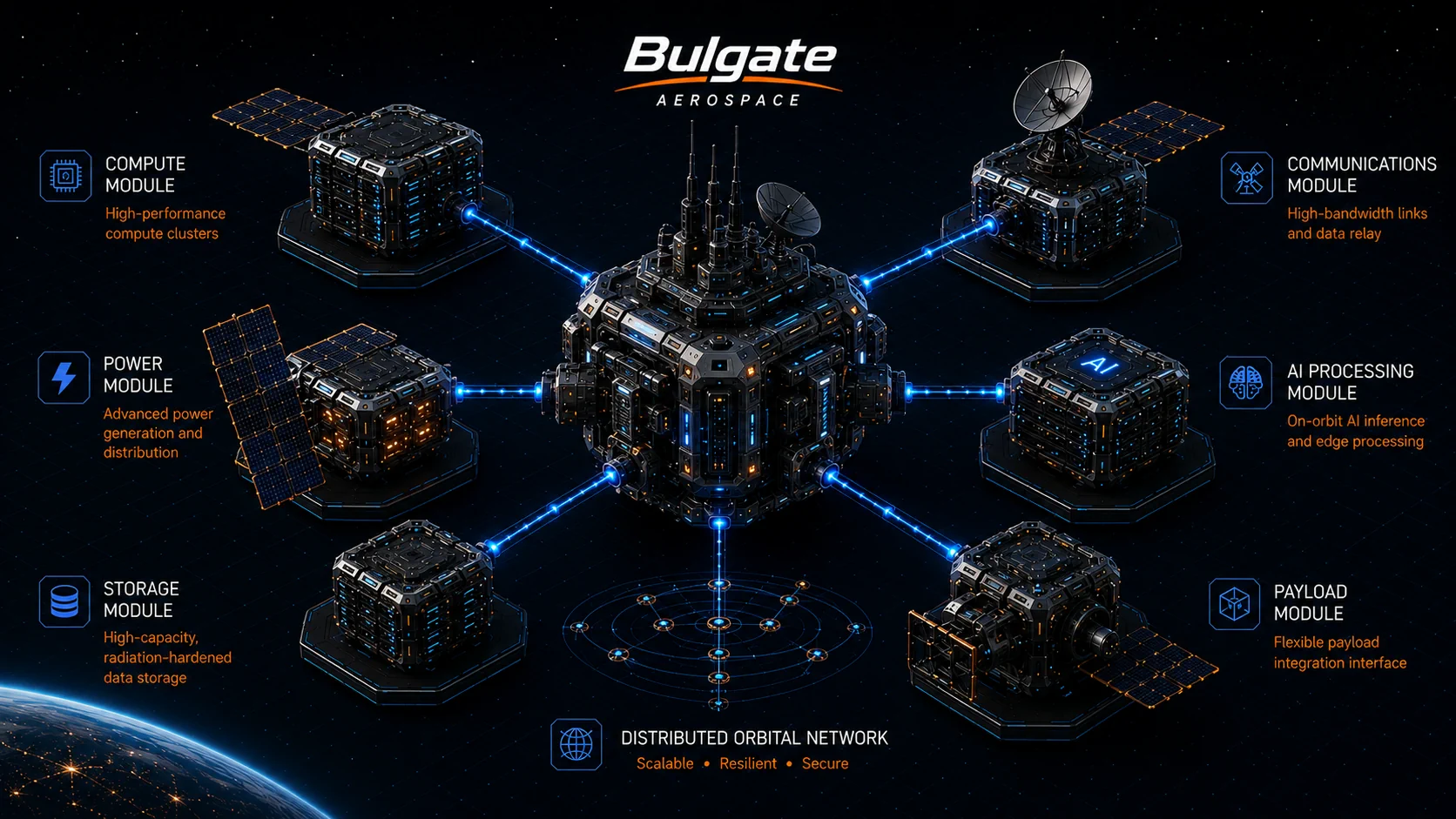
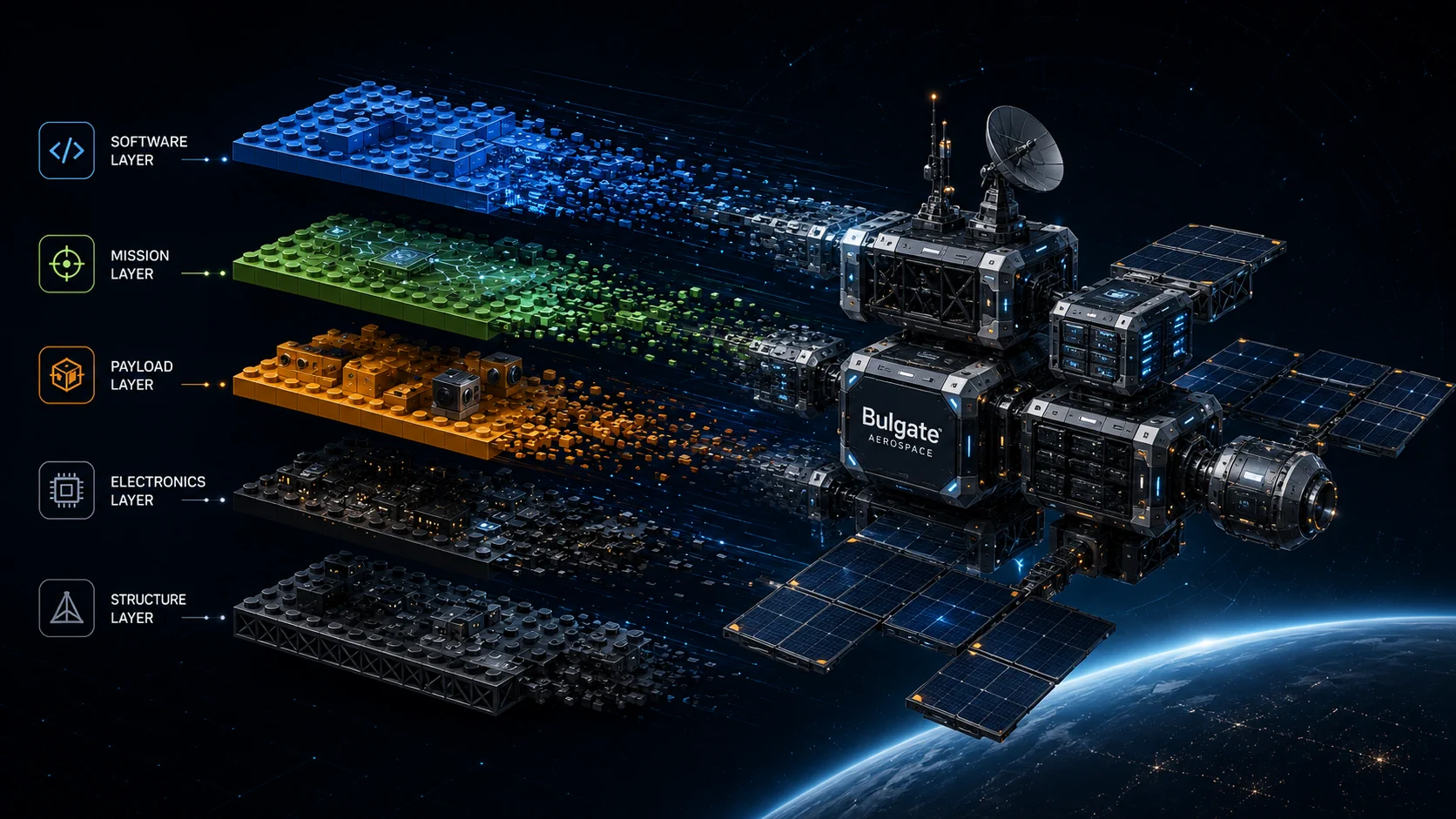
The same systems-engineering method extends into small-satellite architectures, payload integration and early infrastructure concepts, including future-oriented studies for space data center architectures.

Small satellite and space infrastructure diagram

PLATFORM EXTENSIONS

Aircraft and missions built around one platform.

Interceptor drones, fixed-wing aircraft, quadcopters and FPV systems are not separate disconnected products. They are aircraft configurations and mission use cases built from the same aerospace hardware and software foundation.

The platform combines avionics, embedded electronics, flight-control foundations, payload interfaces, telemetry, communications and mission software into a reusable engineering foundation for multiple aircraft classes and mission applications.

Bulgate aerospace platform architecture diagram
MISSION USE CASE

ZAX - Zonal Aerial Exclusion platform
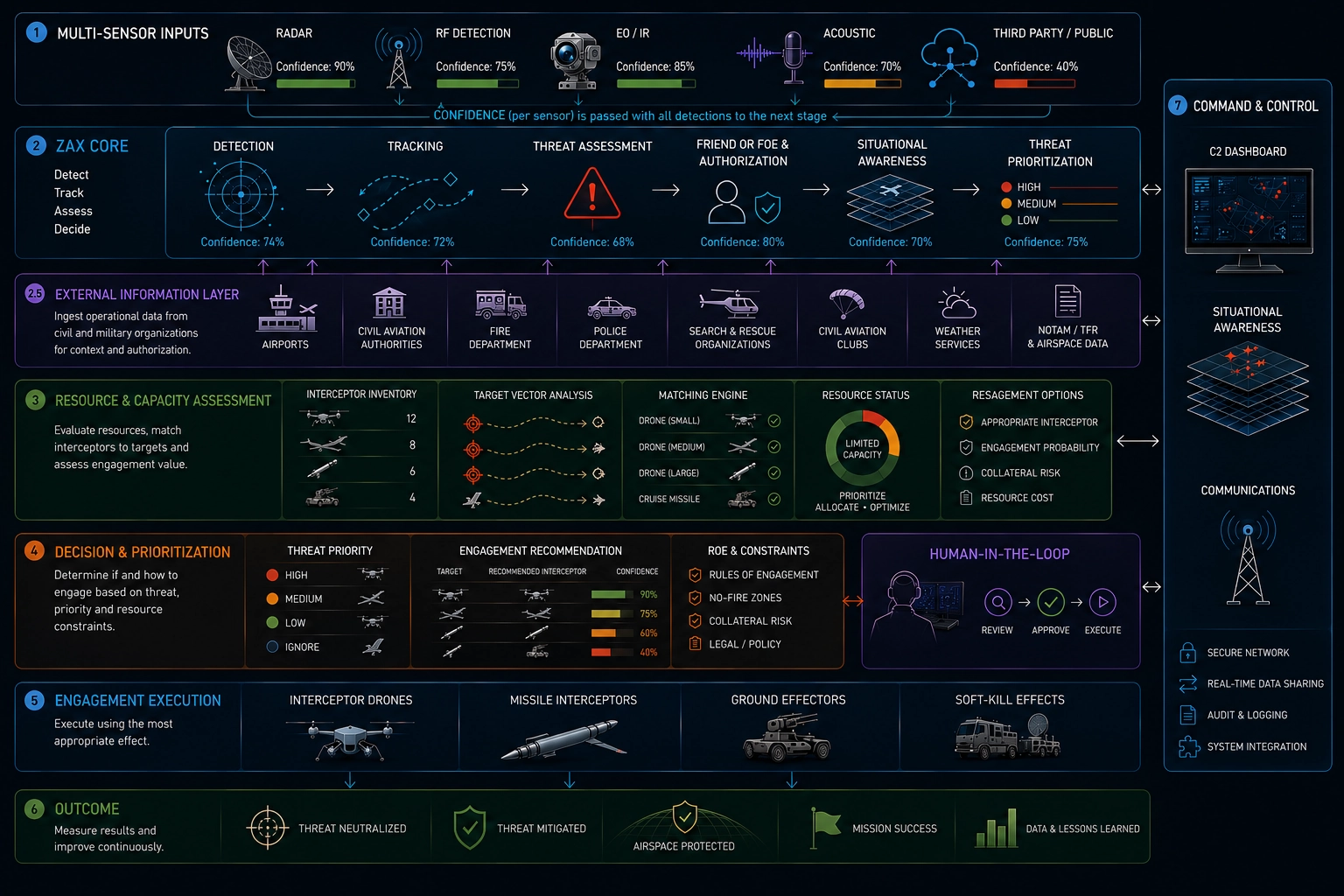
ZAX Counter-UAS architecture diagram

ZAX is a layered Counter-UAS architecture that combines multi-sensor detection, tracking, threat assessment, resource management, command-and-control and engagement coordination to establish protected airspace zones. The architecture can integrate radar, RF, optical, acoustic and third-party sensor networks while supporting human-in-the-loop decision making and multiple engagement methods, including autonomous interceptor assets.

The system maintains continuous awareness of available defensive capacity, including interceptor inventories, asset readiness, sensor coverage and engagement effectiveness. By correlating target characteristics, threat priority, predicted trajectories and available resources, ZAX can recommend the most appropriate engagement method, prioritize threats, and determine whether resource expenditure is justified under operational constraints. This enables intelligent allocation of limited defensive assets while preserving capacity for higher-value or more critical threats.
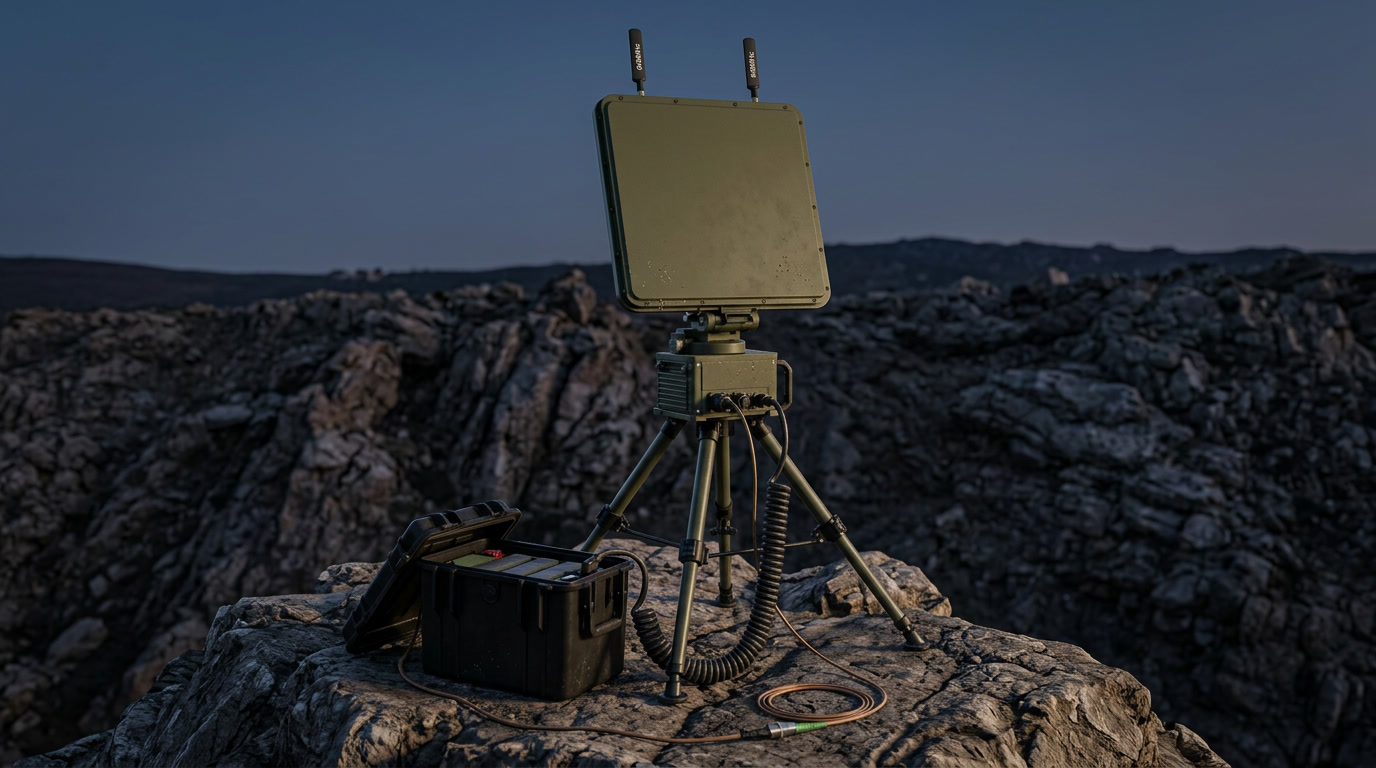
Radar integration example

Radar Integration Study

Example radar project used to explore sensing, detection zones and system integration.
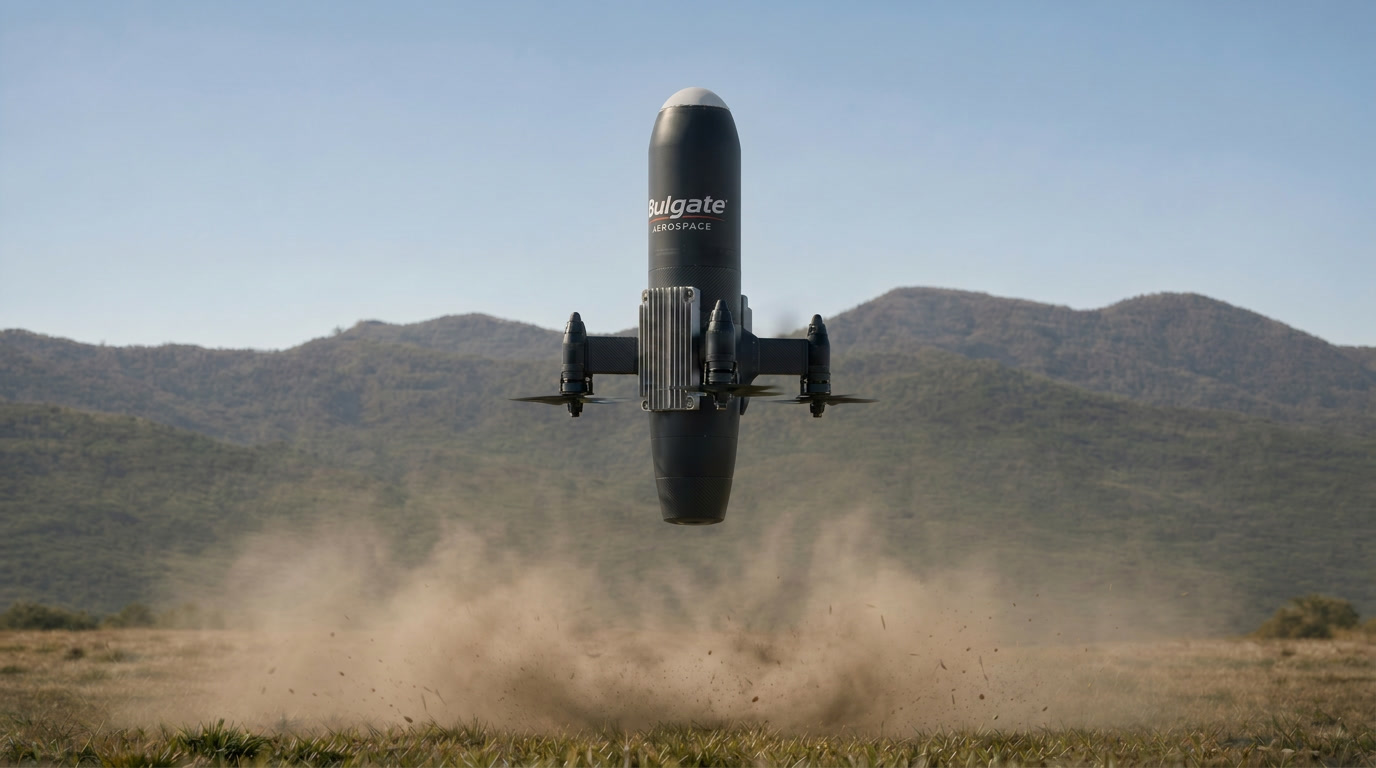
Counter-UAS interceptor prototype

Interceptor Prototype

The ZAX interceptor demonstrates how the Bulgate aerospace platform can be adapted to specialized aerial interception missions through a common architecture for avionics, autonomy, communications and mission software.
AIRCRAFT EXTENSIONS

Fixed-Wing and Quadcopter Platforms

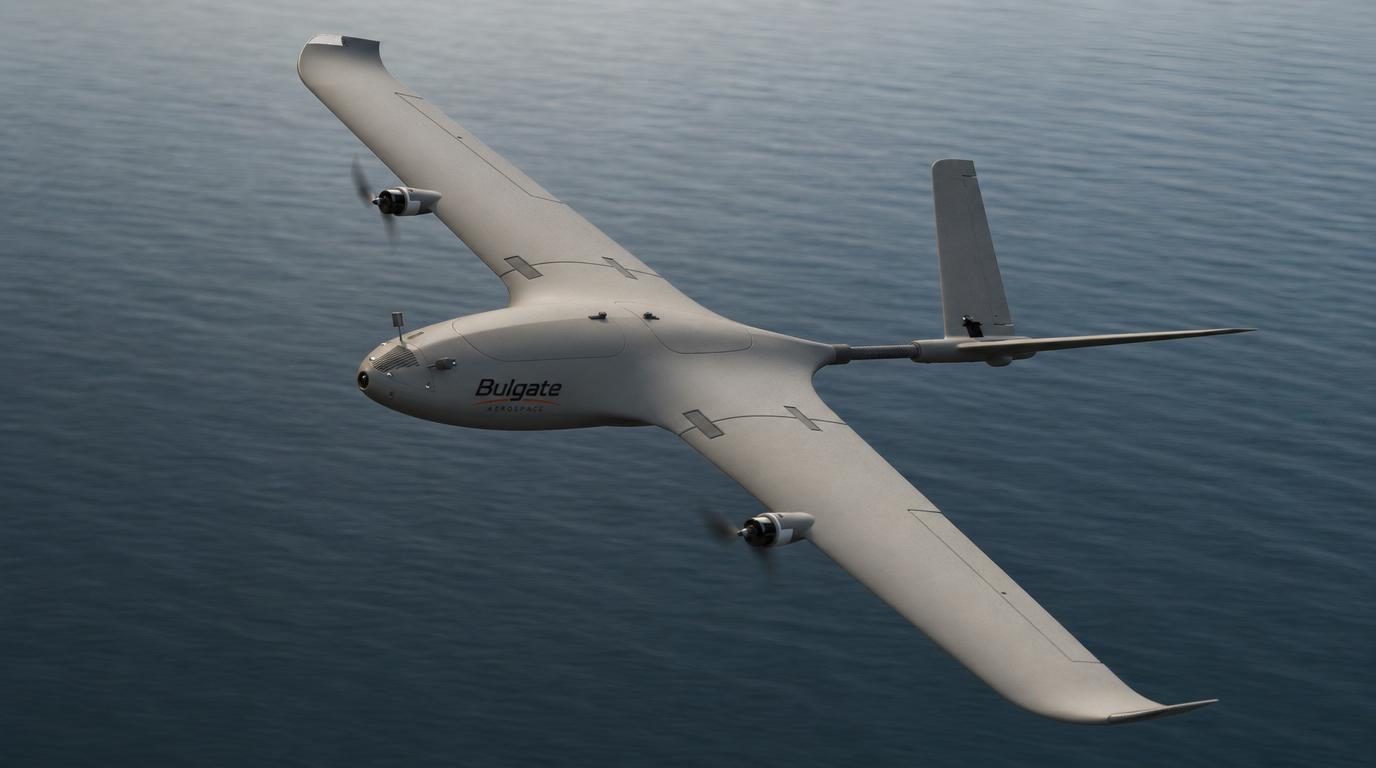
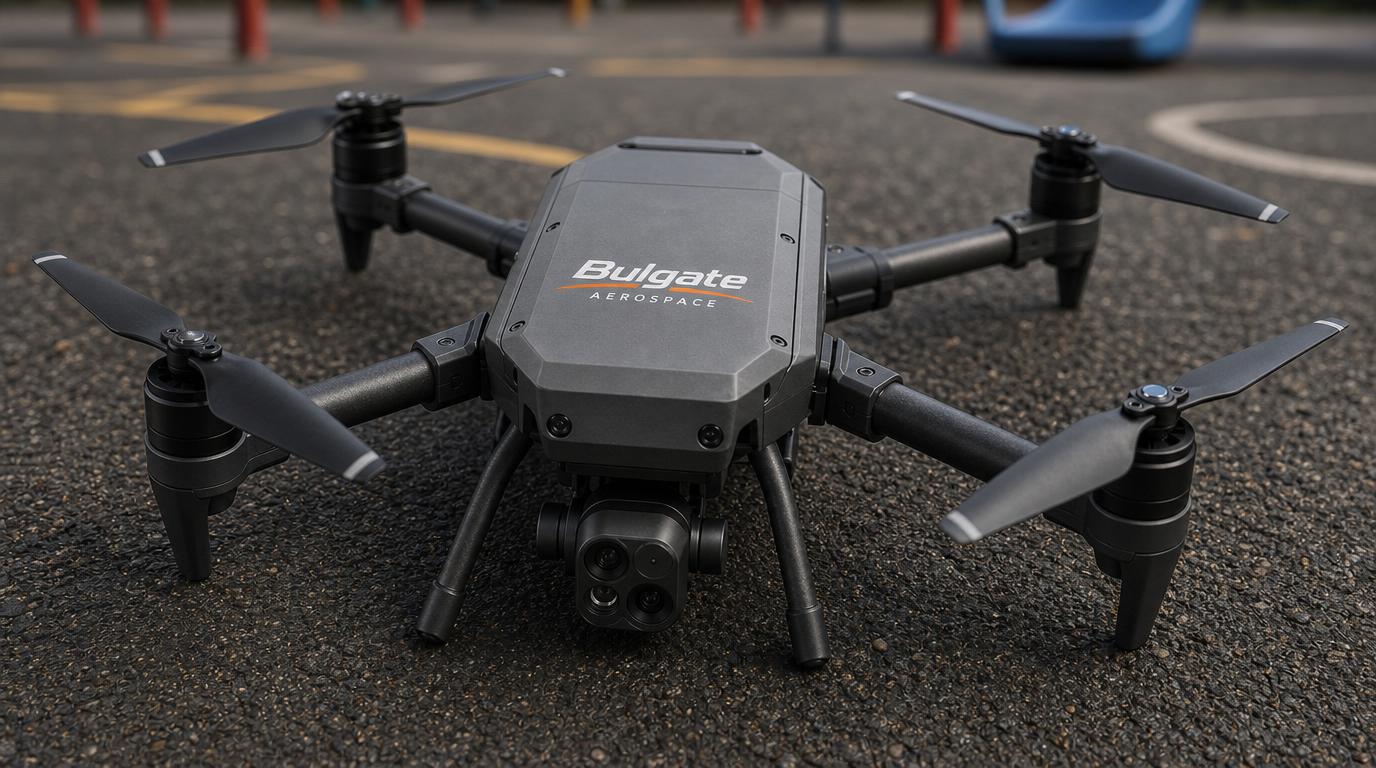
Fixed-wing and quadcopter projects extend the common platform into different aircraft configurations for payload integration, flight-control experimentation, communications testing and autonomous mission software.

Fixed-wing UAV platform concept

Fixed-Wing Concept

Airframe development for mission architecture and payload studies.

Quadcopter UAV development platform

Quadcopter Development Platform

Vertical-lift testbed for payload, electronics and autonomous control integration.

FUTURE ARCHITECTURES

Space Systems and Infrastructure

Space architecture work applies the same systems-engineering foundation to next-generation small satellites, payload integration and first-generation space data center concepts.

Space architecture infrastructure diagram
ECOSYSTEM DEVELOPMENT

Component and Mission Module Integration

Reference designs, standardized interfaces and platform-stack documentation allow mission-specific payloads, electronics and software components to be developed around the Bulgate platform architecture.

Reference design and interface stack diagram

ENGINEERING HIGHLIGHTS

Engineering work across critical system layers.

Selected case studies from the platform stack: avionics ownership, modular electronics and autonomous sensing architectures.

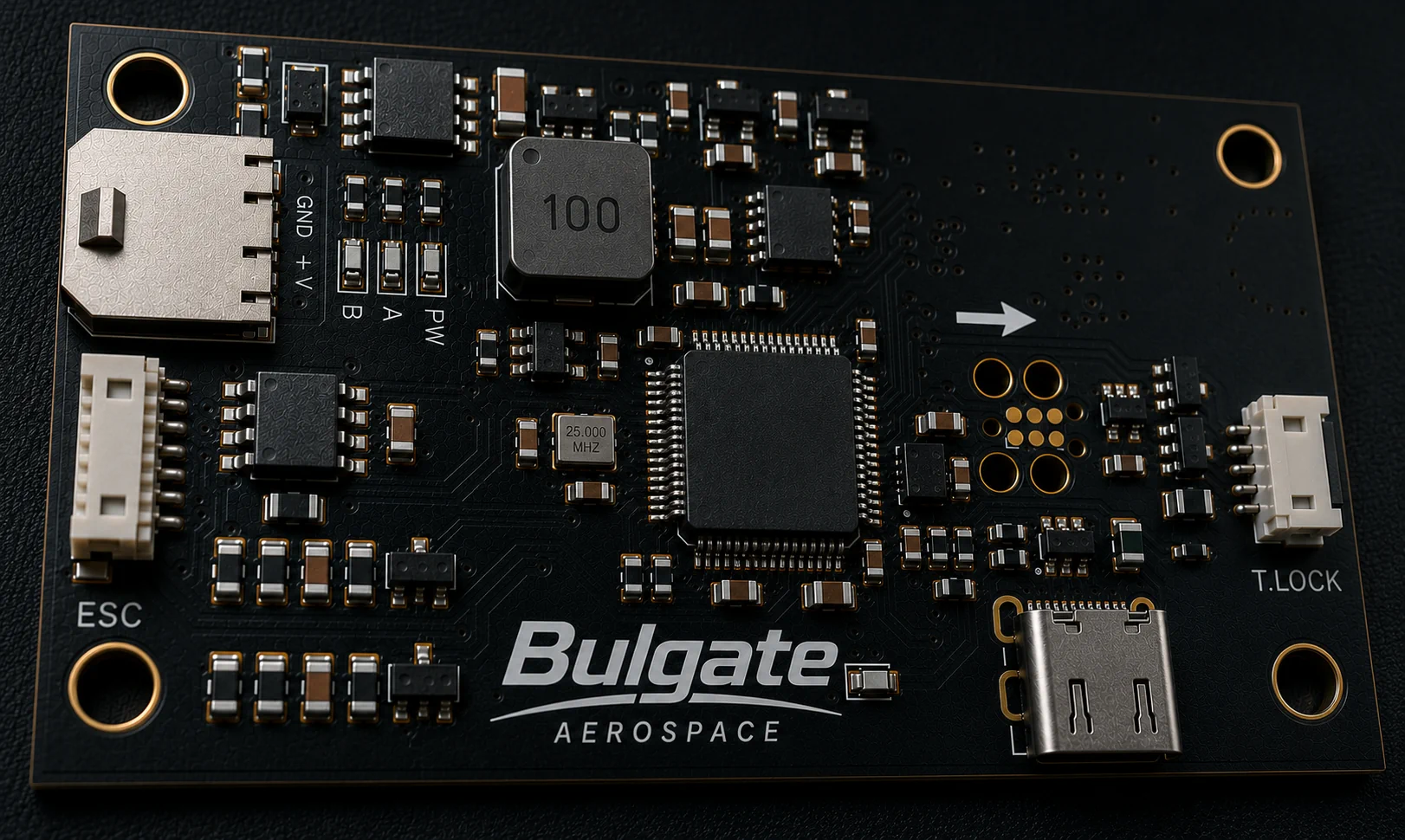
Top view of Bulgate UAV avionics platform
01

Sovereign Flight Control Architecture

Challenge Modern UAV ecosystems rely heavily on externally developed flight controllers, ESCs and avionics subsystems, creating supply chain dependencies and limiting long-term control over critical technologies.

Engineering Approach Bulgate Aerospace initiated development of a proprietary flight control ecosystem built around ownership of the core avionics stack, including custom flight controller electronics, ESC electronics, sensor interfaces, sensor fusion technologies, embedded software foundations and platform-oriented avionics architecture.

Result The project established an in-house avionics technology foundation with greater design flexibility, reduced external technology dependence, improved aircraft customization capability and a scalable basis for future platform development.

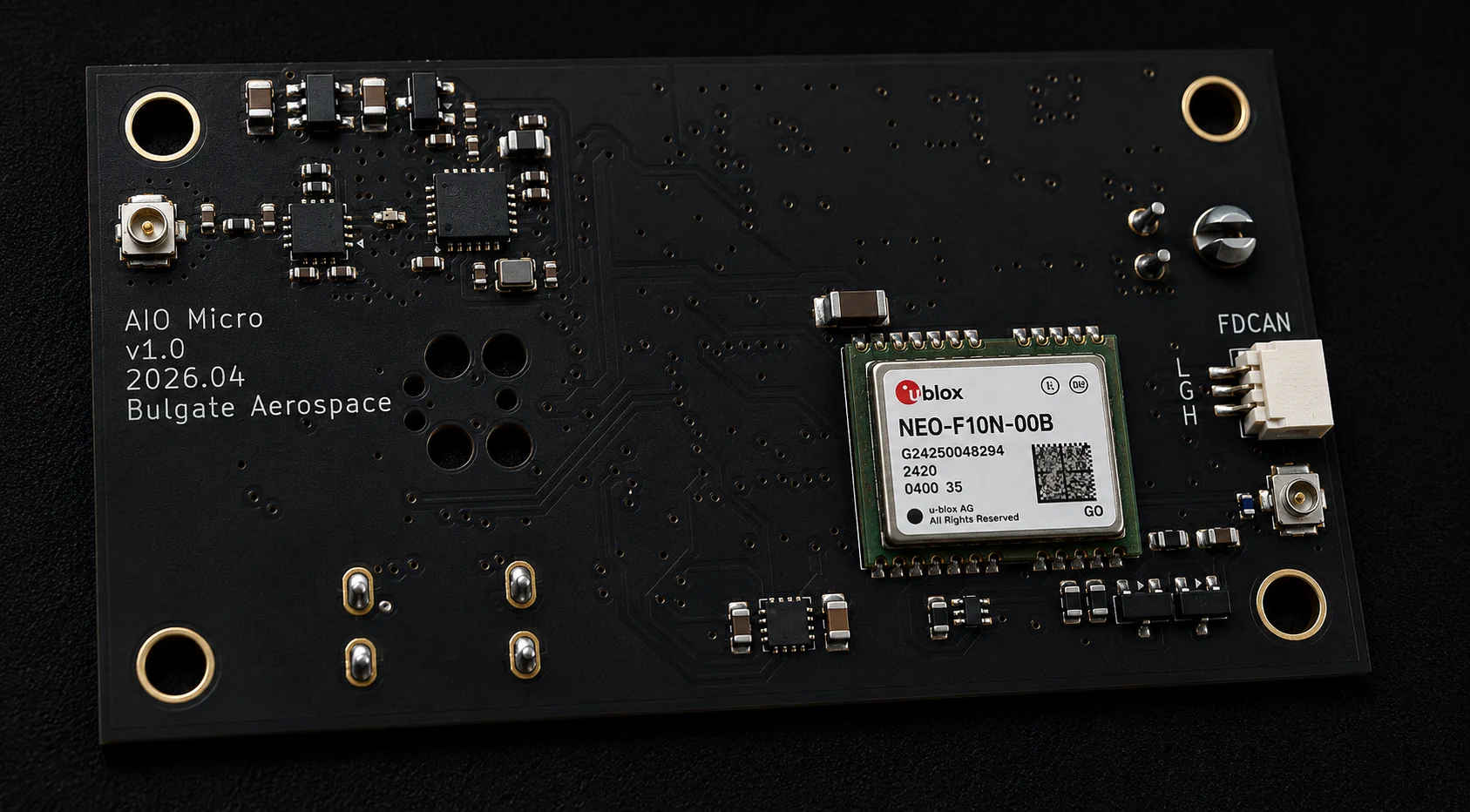
Bottom view of Bulgate UAV electronics platform
02

Modular UAV Electronics Architecture

Challenge Conventional UAVs are often assembled from independent electronic modules connected through complex wiring harnesses, increasing assembly time, manufacturing complexity, maintenance effort, integration risk and production variability.

Engineering Approach Bulgate Aerospace developed a modular electronics architecture that integrates multiple functions into common electronic platforms while maintaining support for mission-specific expansion modules, reduced wiring complexity, simplified assembly workflows and rapid payload adaptation.

Result The project produced a foundation for faster assembly, improved maintainability, reduced manufacturing effort, lower integration complexity and future production scalability while preserving flexibility for mission-specific aircraft requirements.

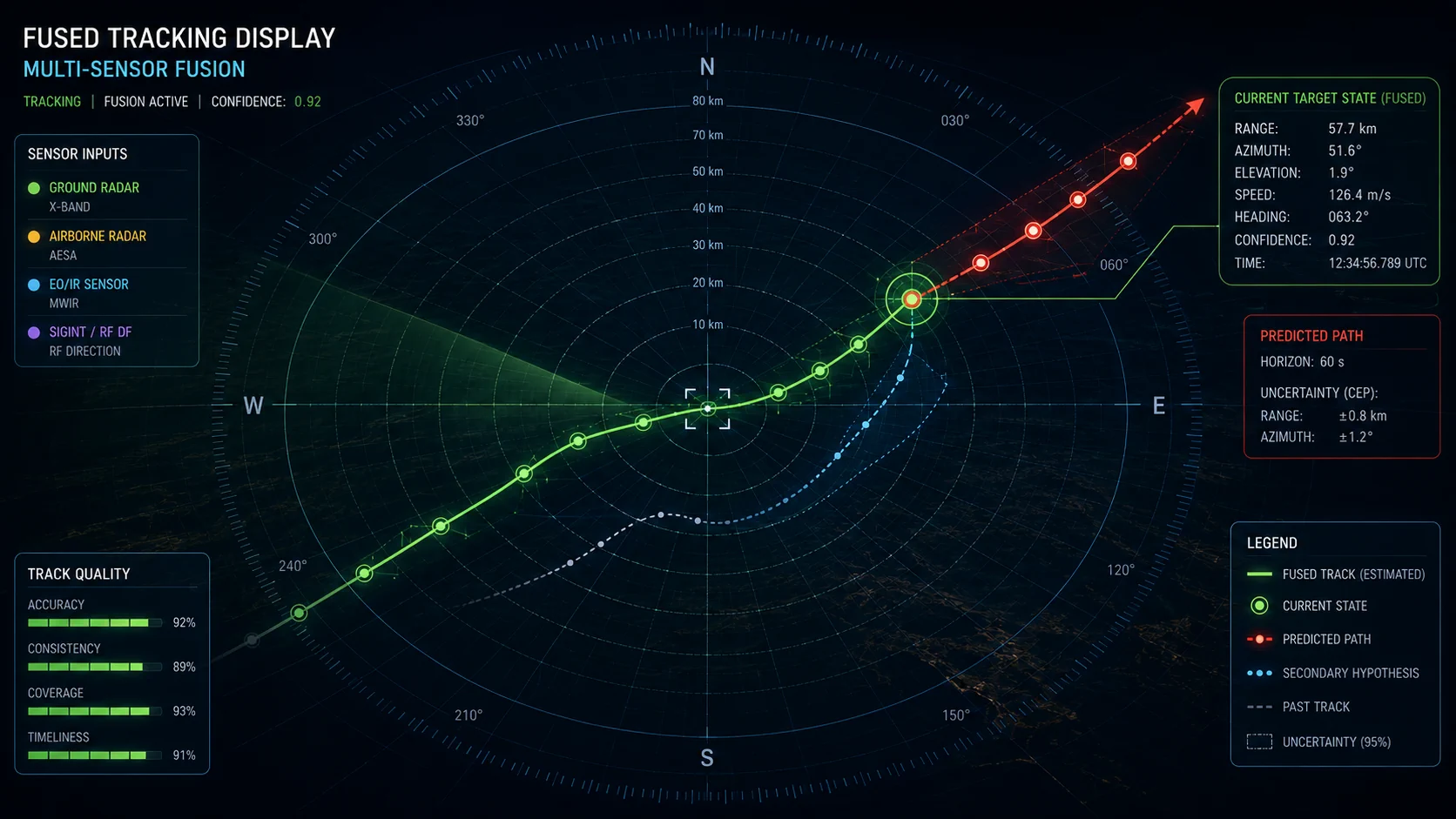
Autonomous interception sensor fusion architecture
03

Autonomous Interception Sensing Architecture

Challenge Many autonomous aerial interception systems rely heavily on optical sensors and computationally intensive image processing, increasing system complexity, cost and environmental sensitivity while limiting scalability.

Engineering Approach Bulgate Aerospace investigated alternative sensing and guidance architectures focused on multi-sensor target tracking, autonomous target localization, interceptor guidance support, reduced computational requirements and scalable system deployment.

Result The project established a foundation for future autonomous interception extensions built on scalable sensing, reduced system complexity, improved deployment flexibility and architecture independence.

AVAILABLE PLATFORM

FPV Systems configured for mission needs.

Production-ready modular FPV platforms available for customer orders and mission-specific configuration.

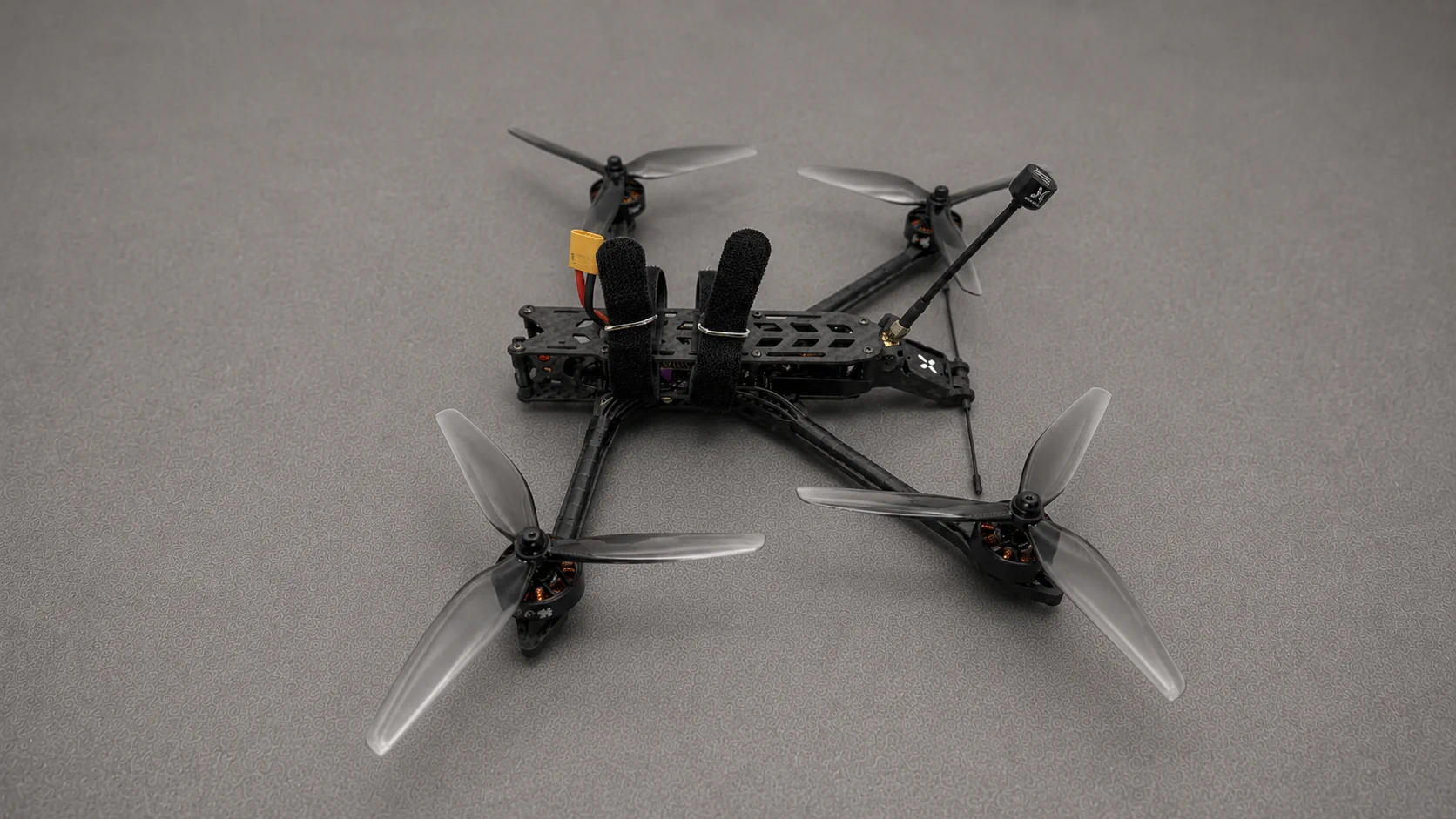
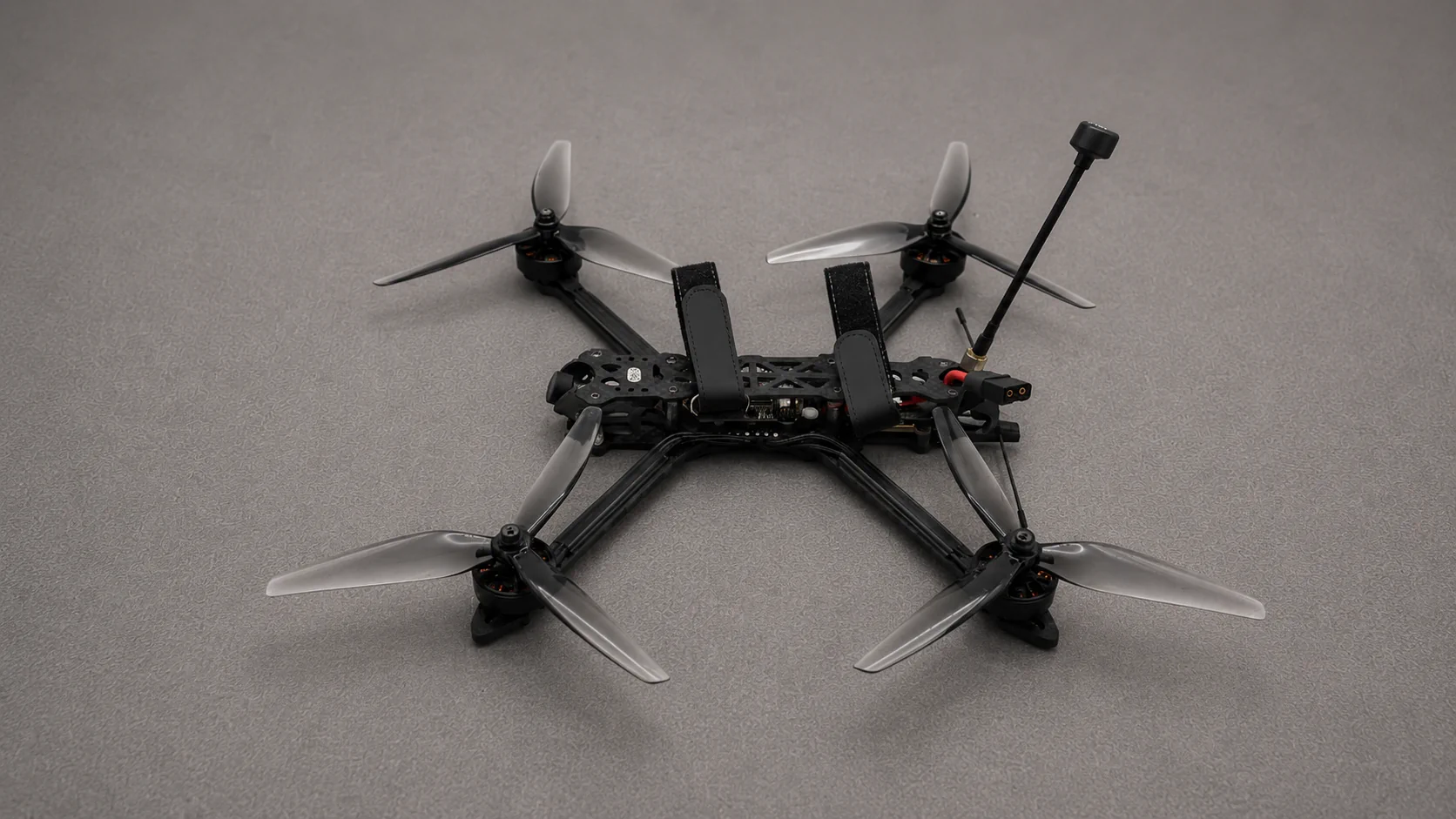
Available in 7-13 inch configurations with support for day imaging payloads, low-light and night vision payloads, thermal imaging payloads, multiple video transmission architectures, Li-Ion and LiPo power systems, and mission-specific payload integration.

Built as adaptable aerial platforms that can be configured according to endurance, payload and operational requirements.

Deadcat FPV drone platform

Deadcat Frame

Forward-swept arms keep propellers outside the camera field of view.

X frame FPV drone platform

X Frame

Symmetrical geometry for balanced handling and rapid configuration changes.

ABOUT BULGATE

Engineering the foundationsof humanity'snext frontier

Bulgate Aerospace is a Sofia-based aerospace engineering company developing advanced hardware, software, and systems architectures for autonomous aircraft, embedded electronics, communications technologies, and future space infrastructure. The company combines multidisciplinary engineering expertise across embedded systems, avionics, mission-critical software, communications, and systems engineering to create technologies that support the next generation of aerospace platforms and autonomous systems.

Building upon experience that includes industrial engineering projects, space-related developments, patented technologies, and advanced research activities, Bulgate Aerospace provides end-to-end engineering capabilities covering the complete product lifecycle-from concept development, requirements definition, and system architecture through hardware, software, and firmware development, simulation, integration, testing, qualification, and long-term technical support. This unified engineering approach enables innovative concepts to evolve into deployable products, operational systems, and scalable technology platforms.

Current activities focus on the development of a modular aerospace platform designed to serve as a common foundation for interoperable products, technologies, and applications. Rather than developing isolated solutions, the company creates reusable building blocks that can be shared across multiple aerospace domains, enabling technology reuse, modularity, accelerated development cycles, and scalable product ecosystems. The platform supports aircraft, payloads, communications systems, mission applications, and future partner-developed technologies through a common architecture designed for long-term evolution.

Beyond current platform development, Bulgate Aerospace continues to invest in research and development of next-generation aerospace systems, autonomous technologies, small satellites, orbital infrastructure, distributed computing architectures, and resilient communications networks. The company's long-term vision is to contribute to the development of technologies that strengthen exploration, connectivity, technological sovereignty, and humanity's ability to build and operate increasingly capable systems on Earth and beyond.

Focus Areas

  • Aerospace Platform Engineering
  • Aircraft Integration
  • Embedded Electronics
  • Mission Software
  • Communications & Payload Interfaces
  • Reference Designs & Interfaces
  • Counter-UAS Extensions
HEADQUARTERSSofia, Bulgaria
NATO CAGE01EYU